¶ What is Network Security?
Any action intended to safeguard the integrity and usefulness of your data and network is known as network security. In other words, Network security is defined as the activity created to protect the integrity of your network and data.
Network security is the practice of protecting a computer network from unauthorized access, misuse, or attacks. It involves using tools, technologies, and policies to ensure that data traveling over the network is safe and secure, keeping sensitive information away from hackers and other threats.
¶ How Does Network Security Work?
Network security uses several layers of protection, both at the edge of the network and within it. Each layer has rules and controls that determine who can access network resources. People who are allowed access can use the network safely, but those who try to harm it with attacks or other threats are stopped from doing so.
The basic principle of network security is protecting huge stored data and networks in layers that ensure the bedding of rules and regulations that have to be acknowledged before performing any activity on the data. These levels are:
- Physical Network Security: This is the most basic level that includes protecting the data and network through unauthorized personnel from acquiring control over the confidentiality of the network. The same can be achieved by using devices like biometric systems.
- Technical Network Security: It primarily focuses on protecting the data stored in the network or data involved in transitions through the network. This type serves two purposes. One is protected from unauthorized users, and the other is protected from malicious activities.
- Administrative Network Security: This level of network security protects user behavior like how the permission has been granted and how the authorization process takes place. This also ensures the level of sophistication the network might need for protecting it through all the attacks. This level also suggests necessary amendments that have to be done to the infrastructure.
¶ Types of Network Security
There are several types of network security through which we can make our network more secure, Your network and data are shielded from breaches, invasions, and other dangers by network security. Here below are some important types of network security:
¶ Email Security
Email Security is defined as the process designed to protect the Email Account and its contents safe from unauthorized access. For Example, you generally see, fraud emails are automatically sent to the Spam folder. because most email service providers have built-in features to protect the content.
The most common danger vector for a security compromise is email gateways. Hackers create intricate phishing campaigns using recipients’ personal information and social engineering techniques to trick them and direct them to malicious websites. To stop critical data from being lost, an email security programme restricts outgoing messages and stops incoming threats.
¶ Network Segmentation
Network traffic is divided into several categories by software-defined segmentation, which also facilitates the enforcement of security regulations. Ideally, endpoint identity—rather than just IP addresses—is the basis for the classifications. To ensure that the appropriate amount of access is granted to the appropriate individuals and that suspicious devices are controlled and remediated, access permissions can be assigned based on role, location, and other factors.
¶ Access Control
Your network should not be accessible to every user. You need to identify every user and every device in order to keep out any attackers. You can then put your security policies into effect. Noncompliant endpoint devices might either have their access restricted or blocked. Network access control (NAC) is this process.
¶ Sandboxing
Sandboxing is a cybersecurity technique in which files are opened or code is performed on a host computer that simulates end-user operating environments in a secure, isolated environment. To keep threats off the network, sandboxing watches the code or files as they are opened and searches for harmful activity.
¶ Cloud Network Security
This is very vulnerable to the malpractices that few unauthorized dealers might pertain to. This data must be protected and it should be ensured that this protection is not jeopardized by anything. Many businesses embrace SaaS applications for providing some of their employees the allowance of accessing the data stored in the cloud. This type of security ensures creating gaps in the visibility of the data.
Workloads and applications are no longer solely housed in a nearby data centre on-site. More adaptability and creativity are needed to protect the modern data centre as application workloads move to the cloud.
¶ Web Security
A online security solution will restrict access to harmful websites, stop web-based risks, and manage staff internet usage. Your web gateway will be safeguarded both locally and in the cloud. “Web security” also include the precautions you take to safeguard your personal website.
¶ Intrusion Prevention System(IPS)
An intrusion Prevention System is also known as Intrusion Detection and Prevention System. It is a network security application that monitors network or system activities for malicious activity. The major functions of intrusion prevention systems are to identify malicious activity, collect information about this activity, report it, and attempt to block or stop it.
¶ Antivirus and Anti-malware Software
This type of network security ensures that any malicious software does not enter the network and jeopardize the security of the data. Malicious software like Viruses, Trojans, and Worms is handled by the same. This ensures that not only the entry of the malware is protected but also that the system is well-equipped to fight once it has entered.
¶ Firewalls Security
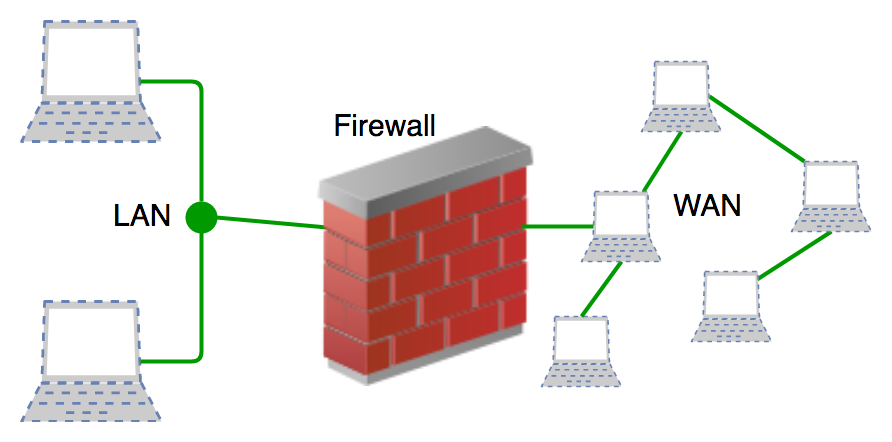
A firewall is a network security device, either hardware or software-based, which monitors all incoming and outgoing traffic and based on a defined set of security rules accepts, rejects, or drops that specific traffic. Before Firewalls, network security was performed by Access Control Lists (ACLs) residing on routers.
¶ Application Security
Application security denotes the security precautionary measures utilized at the application level to prevent the stealing or capturing of data or code inside the application. It also includes the security measurements made during the advancement and design of applications, as well as techniques and methods for protecting the applications whenever.
¶ Wireless Security
Wireless networks are less secure than wired ones. If not properly secured, setting up a wireless LAN can be like having Ethernet ports available everywhere, even in places like parking lots. To prevent attacks and keep your wireless network safe, you need dedicated products designed to protect it from exploits and unauthorized access.
¶ Web Security
A web security solution manages how your staff uses the internet, blocks threats from websites, and stops access to harmful sites. It safeguards your web gateway either onsite or in the cloud. Additionally, “web security” involves measures taken to protect your own website from potential attacks and vulnerabilities.
¶ Mobile Device Security
Cybercriminals are focusing more on mobile devices and apps. In the next three years, about 90 percent of IT organizations might allow corporate applications on personal mobile devices. It’s crucial to control which devices can connect to your network and set up their connections securely to protect network traffic from unauthorized access.
¶ Industrial Network Security
As industries digitize their operations, the closer integration of IT, cloud services, and industrial networks exposes Industrial Control Systems (ICS) to cyber threats. To safeguard against these risks, it’s crucial to have complete visibility into your Operational Technology (OT) security status. This involves segmenting the industrial network and providing detailed information about OT devices and their behaviors to IT security tools. This approach helps in effectively monitoring and protecting critical industrial systems from potential cyber attacks.
¶ VPN Security
A virtual private network (VPN) encrypts the connection between a device and a network, usually over the internet. A remote-access VPN commonly uses IPsec or Secure Sockets Layer (SSL) to verify and secure the communication between the device and the network. This encryption ensures that data transmitted between the device and the network remains private and secure from unauthorized access.